
Play Aviator Now!
Home → Strategy
Aviator Strategy
Approaching Aviator sensibly
The theoretical return to player (RTP) for the Spribe crash game is set at 97.00%. This figure represents a long-run average over hundreds of thousands of rounds, establishing a house edge of 3.00% that applies to every single cash-out decision. Players must accept this built-in statistical disadvantage before attempting to time their exits against the rising multiplier.
Unlike traditional slot machines, Aviator features no reels, paylines, or spinning symbols to analyze. The gameplay relies on a single plane trajectory where the multiplier rises until an unpredictable crash occurs. Understanding this distinct mechanic prevents players from applying outdated slot strategies to a purely instant outcome environment.
Provably fair technology underpins the round results by combining a server seed with multiple client seeds and a nonce. SHA-256 encryption ensures that neither the operator nor the player can predict the crash point in advance. Independent audits by iTech Labs and BMM Testlabs verify that these cryptographic processes function correctly.
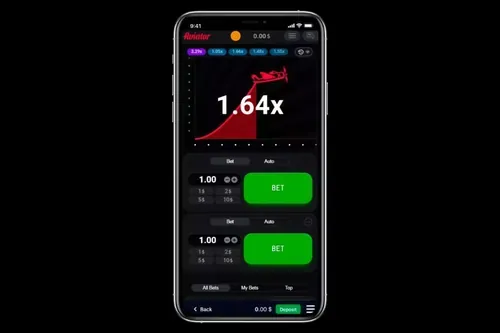
Bankroll rules that hold up
A defined bankroll constitutes the specific sum of money allocated exclusively for playing sessions. Treating this capital as separate from personal finances helps maintain discipline during the rapid pace of crash games. Players should never deposit funds they cannot afford to lose within a short timeframe.
Progressive staking involves increasing bets after losses, a strategy that fails to alter the 3.00% house edge. Raising stakes merely accelerates the depletion of the bankroll without improving the mathematical probability of recovery. Flat betting remains the only method to sustain playtime against the inherent volatility of the game.
The maximum win cap stands at x1,000,000, providing a theoretical upper limit for any single successful cash-out. However, reaching this peak requires sustaining a massive multiplier run, which occurs rarely in practice. Setting realistic profit targets relative to the initial stake prevents disappointment when high multipliers fail to materialize.
Bet sizing against volatility
Spribe offers adjustable volatility settings in companion titles like Dice, which shares the same 97.00% RTP profile. While Aviator itself does not list explicit volatility tiers, its crash mechanics inherently produce high variance outcomes. Smaller bet sizes help absorb the sharp swings between frequent small wins and total round losses.
The dual-bet mode allows players to place two simultaneous wagers per round, splitting risk across different cash-out strategies. One bet might target a low multiplier for consistency while the other chases higher returns. This approach requires precise calculation to ensure both stakes fit within the predetermined session budget limits.
Auto cashout functions enable predefined exit points, removing emotional hesitation during rapid multiplier spikes. Setting automatic triggers at conservative levels secures profits before the plane inevitably flies away. This feature mitigates the psychological pressure of watching the counter rise toward potentially unrecoverable heights.
Session limits worth setting
The live bet feed displays real-time actions from other participants, creating a social dynamic that influences individual pacing. Observing others chase high multipliers can trigger impulsive decisions that bypass established financial boundaries. Maintaining focus on personal preset limits protects against this herd mentality during intense gameplay periods.
Time management becomes critical because each round concludes rapidly once the multiplier crashes. Extended sessions can lead to fatigue, impairing judgment regarding optimal cash-out timing. Setting strict duration caps ensures that decision-making quality remains high throughout the entire play period.
Operator configurations may sometimes offer lower RTP values such as 96% or even 94% compared to the standard 97.00%. Verifying the active configuration before starting a session ensures accurate expectation of long-term returns. Adjusting bet sizes accordingly compensates for the increased house edge in less favorable game variants.
Why chasing losses fails
Each round operates independently due to the provably fair algorithm using SHA-256 cryptography. Past crashes do not influence future multiplier trajectories, making pattern recognition statistically meaningless. Believing in due corrections leads to irrational betting behavior that ignores the constant 3.00% house advantage.
Pursuing lost funds through larger stakes increases exposure to the maximum win cap limitation of x1,000,000. No single bet can recover significant deficits quickly without risking the entire bankroll in one attempt. The mathematical reality dictates that variance works against recouping losses through aggressive wagering patterns.
The multiplayer interface shows collective losses alongside wins, normalizing negative outcomes for inexperienced players. Recognizing that losing streaks are inherent to the 97.00% RTP structure prevents emotional retaliation. Accepting losses as part of the expected cost of entertainment preserves the bankroll for subsequent sessions.
Aviator: key facts
| Parameter | Value |
|---|---|
| Game | Aviator |
| Studio | Spribe |
| Released | 2019 |
| RTP | 97.00% |
| House edge | 3.00% |
| Max win | x1,000,000 |
Common systems and their limits
The theoretical RTP of Aviator stands at 97.00% according to Spribe, establishing a baseline house edge of exactly 3.00%. This percentage dictates long-term retention rather than immediate session outcomes for the player. Consequently, no betting pattern can alter the mathematical advantage held by the operator over time.
Other titles like Plane Game share the same 97.00% RTP configuration offered by Spribe in some markets. However, both games feature high volatility which drastically impacts short-term bankroll stability during play sessions. Players must accept that variance will cause significant swings regardless of the identical return percentages listed.
Certification bodies such as iTech Labs and BMM Testlabs verify the integrity of these crash mechanics daily. Their audits confirm that the SHA-256 provably fair algorithm functions without manipulation or hidden biases. This ensures every round remains independent and transparent for all participants engaging with the platform.
Flat betting explained
A flat betting strategy requires wagering the exact same stake amount on every single round played. This method avoids the emotional traps associated with chasing losses through increased bet sizes after failures. It provides predictable exposure to the 3.00% house edge across hundreds of thousands of rounds.
The maximum win cap of x1,000,000 applies equally whether using flat bets or progressive systems. However, flat betting extends the duration of play by conserving the initial bankroll more effectively. This longevity allows players to experience the dual-bet mode without rapid depletion of funds.
Spribe designed Aviator to support continuous multiplayer interaction where multiple users cash out simultaneously. Flat betting integrates smoothly into this environment by maintaining consistent risk levels throughout the session. The result is a controlled approach that minimizes variance while adhering to the game rules.
Progressive staking risks
Progressive staking involves raising stakes after losses, a practice that does not change the built-in edge of 3.00%. This strategy only shortens the time to ruin by increasing exposure to volatility during downswings. The maximum win of x1,000,000 remains unreachable if the bankroll depletes before a large multiplier hits.
Operators may configure lower RTP settings of 96% or even 94% for certain regional markets. These reduced percentages compound the danger of progressive systems by accelerating expected losses significantly faster. A player utilizing Martingale tactics will face bankruptcy much sooner under these less favorable conditions.
Auto cashout features allow setting specific multipliers to lock in profits before the plane flies away. While useful, they cannot mitigate the structural disadvantage created by escalating bets during losing streaks. The provably fair mechanism ensures each crash point is random, making recovery mathematically impossible.
What the maths actually allows
The theoretical return of 97.00% means the casino retains three euros for every hundred euros wagered. This house edge accumulates steadily over millions of rounds verified by independent testing laboratories like BMM Testlabs. Players should view this percentage as a cost of entertainment rather than an investment opportunity.
High volatility inherent in crash games causes payouts to be irregular and unpredictable for individual sessions. A player might endure many rounds without hitting the x1,000,000 max win cap entirely. The SHA-256 server seed guarantees fairness but offers no protection against the statistical reality of variance.
Spribe released Aviator in 2019 with a design focused on simplicity and speed of resolution. Each round represents one rising multiplier that ends abruptly when the plane departs from the screen. This instant nature accelerates the application of the 3.00% edge compared to slower traditional table games.
Reading variance honestly
Variance describes the fluctuation of results around the average RTP of 97.00% provided by Spribe. High volatility implies wider swings between wins and losses within any given playing session timeframe. Understanding this metric helps manage expectations regarding the likelihood of hitting the maximum win cap.
Plane Game by Spribe also exhibits high volatility despite sharing the same 97.00% theoretical return rate. Both titles demand substantial bankrolls to withstand potential dry spells before a significant payout occurs. Ignoring this statistical reality often leads to impulsive decisions that accelerate fund depletion rapidly.
Certification by iTech Labs confirms that the random number generation operates without predictable patterns or cycles. No sequence of crashes or multipliers can be anticipated based on previous round outcomes alone. Accepting this randomness is crucial for maintaining discipline when employing auto cashout strategies effectively.
Learning the game in demo first
Aviator launched by Spribe in 2019 as a crash title featuring a rising multiplier that players must cash out before the plane flies away. The theoretical RTP stands at 97.00%, meaning the house edge is exactly 3.00% over a very long run. Testing in demo mode allows observation of this mechanic without risking bankroll funds. A second option involves lower RTP configurations like 96% or 94% found on some operator sites.
The game employs provably fair technology using SHA-256 to combine a server seed with multiple client seeds and a nonce. This certification by iTech Labs and BMM Testlabs ensures every round result is mathematically verifiable. Players can verify fairness independently rather than trusting the operator blindly. Such transparency distinguishes instant games from traditional slots with hidden algorithms.
Unlike Tower Rush by Galaxsys which caps wins at 100x, Aviator offers a maximum win potential of x1,000,000. This vast difference highlights the unique risk-reward profile of crash games versus other high-variance titles. Observing the rapid rise and fall of multipliers helps users grasp timing requirements. Understanding these dynamics prepares players for real-money stakes effectively.
Adjusting stakes to your budget
Flat betting involves placing the same stake amount during every single round regardless of previous outcomes. This strategy prevents rapid depletion of the bankroll compared to progressive staking methods. Progressive staking raises stakes after losses, which does not change the built-in edge and only shortens the time to ruin. Maintaining consistent wagers extends playtime significantly.
A welcome bonus offering 300% up to €2,000 plus 100 free spins can boost initial capital substantially. Calculating turnover requirements is essential before attempting withdrawals. For example, a 100 € deposit yields a 300 € bonus totaling 400 €, requiring significant wagering volume. Bonuses rarely apply directly to crash games, limiting their utility for Aviator players.
Comparing Aviator to slot machines reveals different volatility structures despite similar RTP figures. Slots often feature paylines and spins, whereas Aviator uses a single rising multiplier per round. This structural difference means bankroll management requires focus on timing rather than spin counts. Managing expectations regarding payout frequency remains crucial for sustainable play.
Recognising a bad session
A streak of missed cashouts indicates poor timing or emotional decision-making during gameplay. The house edge of 3.00% guarantees long-term loss if sessions continue indefinitely. Players might chase losses by increasing bet sizes impulsively, accelerating financial damage. Recognizing these patterns early prevents further unnecessary expenditure.
Monitoring the duration of consecutive rounds helps identify fatigue-induced errors. Most crash games conclude within seconds, allowing hundreds of rounds per hour. High-frequency play amplifies the impact of the 3% house edge quickly. Setting strict time limits reduces exposure to these compounding statistical realities.
Contrast this with Tower Rush where max wins are limited to 100x, reducing variance slightly. Aviator’s x1,000,000 cap attracts big winners but increases standard deviation dramatically. Large swings mean longer dry spells between successful cashouts. Accepting these natural fluctuations prevents irrational chasing behavior during losing phases.
Stopping while ahead
Securing profits requires disciplined withdrawal once predefined targets are reached. The theoretical RTP of 97.00% suggests returns diminish over extended periods. Continuing play beyond profit goals exposes winnings to inevitable regression toward the mean. Cash-out discipline protects accumulated gains from statistical erosion.
Auto cashout features allow presetting exit points before rounds begin, removing emotional interference. This tool enforces rational boundaries even during exciting multiplier surges. Without such safeguards, greed often overrides logical stop-loss strategies. Implementing automated exits enhances consistency across numerous sessions.
Unlike slots with fixed paylines, Aviator demands active intervention for every outcome. Missing the manual cashout button results in total loss of the stake. Automation mitigates human error significantly. Utilizing dual-bet modes spreads risk across two simultaneous attempts, improving overall survival rates.
Responsible play in practice
Defining a clear bankroll separate from personal finances establishes firm spending boundaries. Aviator’s instant nature encourages rapid betting cycles that deplete funds swiftly. Allocating specific amounts per session prevents overspending beyond intended limits. Strict adherence to these budgets maintains control over gambling habits.
Provably fair systems rely on transparent cryptographic verification rather than operator promises. Users can audit SHA-256 combinations to confirm round integrity independently. This openness supports responsible gaming by eliminating suspicion of rigged outcomes. Trustworthy mechanics reduce anxiety associated with perceived unfairness.
Comparison with regulated slots shows comparable safety standards via iTech Labs certification. Both categories require KYC checks for withdrawals, ensuring player identity verification. Responsible tools like deposit limits operate similarly across different game types. Prioritizing safety measures ensures sustainable engagement with any online casino product.
DemoRTP & VolatilityHow to PlayAuto CashoutStrategyBonusesMobileDownload & AppMax WinSimilar GamesReviewFAQSitemap
Aviator 2026